Programming and Speech Recognition
January 8, 2009
We are a long way away from the Star Trek ideal of programming a computer via speech recognition. This is a hilarious video of some guys using Windows Vista software recognition to write a Perl script.
Perl is a programming language which loosely derives syntax from C. It is case sensitive and has special meanings for lots of symbols like these: `'{}.,;:”()<>!?*&+-|^@/\~_#%=
Hilarity ensues.
On the other hand, maybe the great Trek future is not so far away.
Fat-Free Buttermilk
January 8, 2009
I accidentally purchased a half gallon of organic, grass-fed, fat-free buttermilk. Who came up with this idea? The fat-free part, I mean.
Isn’t the point of buttermilk the butter fat?
What I have is basically a bottle of sour whey. It is skim milk somewhat slimily thickened with lactobacillus culture. This skim buttermilk is seriously unappetizing stuff. It is also extraordinarily sour.
I tried making corn muffins with it last night. I even tried to compensate for the lack of butter fat in the milk by adding a little extra melted butter to the batter. My daughters turned their noses up at these muffins. They pronounced them not really good. Too sour.
Oh well. The dogs were very happy to get it on their millet.
Belyaev Temperament Breeding Experiment
December 31, 2008
Last summer I saw a DVD from the PBS show Nature called “Dogs that Changed the World” and also read the book of one of the contributing scientists. One of the really interesting parts of the miniseries was a discussion of the breeding program of a Russian scientist named Dmitri Belyaev which began in 1948.
Belyaev’s breeding program was designed to create a tame breed of silver foxes. As an aside, this was thought to have commercial implications because the raising of silver foxes in captivity for the Russian fur industry is difficult because the foxes are vicious.
What Belyaev did was select for a single behavior. The foxes that were least aggressive and avoidant were bred together. The result of this breeding program was that in just a few generations. Within a relatively small number of generations, by selecting only for temperament, Belyaev had created a very different stain of fox:
- They became dog-like and friendly with people
- Some of the tame foxes developed drop-ears
- The musky “fox smell” dissapeared
- They became white and black like border collies
- The pups begin responding to sounds 2 days earlier than wild type pups
- The pups open their eyes a day earlier than wild type pups
- Delayed onset of adult corticosteriod hormones levels (~8 months of age instead of 2-4 months of age)
- Their social behavior changed
- They wagged their tails when happy
- They began to bark and vocalize like dogs
- The tame foxes tended to have shorter tails and shorter legs
- Curled and double-curled tails developed
- Overbite and underbite developed
- The tame females came into estrus (heat) more frequently
The amazing takeaway point is that selecting for behavior and nothing else yielded dramatic cascade of apparently unrelated physical changes in the animals.
Incidentally, the physical changes make the fur of the tame foxes commercially useless. My understanding is that Belyaev has not been able to breed a tame fox that has the correct pelt for the fur industry and so the tame fox is not commercially viable.
Top 10 Evolution Articles
December 29, 2008
A rundown of some great evolution articles from New Scientist that are well worth reading:
How trees changed the world
It’s only when you try to imagine a world without trees that you realise how much we take them for granted. Yet 450 million years ago there was no such thing as a tree: few plants grew more than a centimetre tall. Between then and now, things happened to give another dimension to plant growth and to create the diversity we see today.
Reclaiming the peppered moth for science
The peppered moth used to be the textbook example of evolution in action. Then, about a decade ago, creationists began an orchestrated a campaign to discredit it – and with it the entire edifice of evolution. Now biologists are fighting to take it back…
Uncovering the evolution of the bacterial flagellum
The whip-like tail of some bacteria has become the cause célèbre of the “intelligent design” movement and a focal point in science’s ongoing struggle against unreason. It doesn’t seem possible to come up with one via Darwin’s “numerous, successive, slight modifications”, they say. Now science is coming up with an answer…
Evolution: What missing link?
The fossil record used to be thought of as a patchy and unreliable record of evolutionary change. Today, that record is much more dependable. When it comes to “transitional fossils” – those that bridge the gap between major groups of organisms – we now have some excellent examples.
Evolution: 24 myths and misconceptions
Evolution is perhaps the best known yet least understood of all scientific theories. Here, NewScientist.com, seeks out the facts behind common misunderstandings that have grown up around “the blind watchmaker”.
Rewriting Darwin: The new non-genetic inheritance
We resemble our parents and can fall prey to the same diseases mainly because we inherit their genes. Yet there is another form of inheritance that does not rely on genes, one that allows characteristics to be passed on that are acquired during a person’s lifetime…
The Ordivician: Life’s second big bang
The Cambrian period, starting about 540 million years ago, is famous for the appearance of all but one of the types of creatures we see around us today. Yet in terms of new species this period cannot hold a candle to a little-known explosion of life called the Great Ordivician Biodiversification Event.
Vestigial organs: Remnants of evolution
From goosebumps to wisdom teeth, vestigial organs have long perplexed biologists. What was their original purpose and what happened to make them redundant? NewScientist.com presents its top five vestigial organs and explains how they differ from male nipples.
Viruses: The unsung heroes of evolution
Viruses are often seen solely as carriers of death and disease. In the light of genomics, however, they are being seen as critical evolutionary players. Far from being a biological afterthought, they may be the most creative genetic entities we know of.
Freedom from selection lets genes get creative
Natural selection is seen as a tough master, constantly applying pressure to improve the fit between an organism and its niche. Yet some researchers believe that when the pressure of natural selection lifts, genomes go wandering and unexpected effects can arise. To see the impact, he argues, we have to look no further than ourselves…
Christmas
December 27, 2008
Also available as a slideshow.

Pencil!

Stickers!

Play-Doh!

Team Unwrapping

Slightly concerned.

Is it for me?

Jaw wrestling Azawakh.

Dressing Dolly

All curled up.

Cassandra raids the fridge.

Sunlight snooze
Hard Life
December 22, 2008
It’s a hard life being a city dog, sometimes.

Azelouan melted into the bed.
Missing Tooth
December 14, 2008
My daughter, Theodora, has had her first visit from the Tooth Fairly.
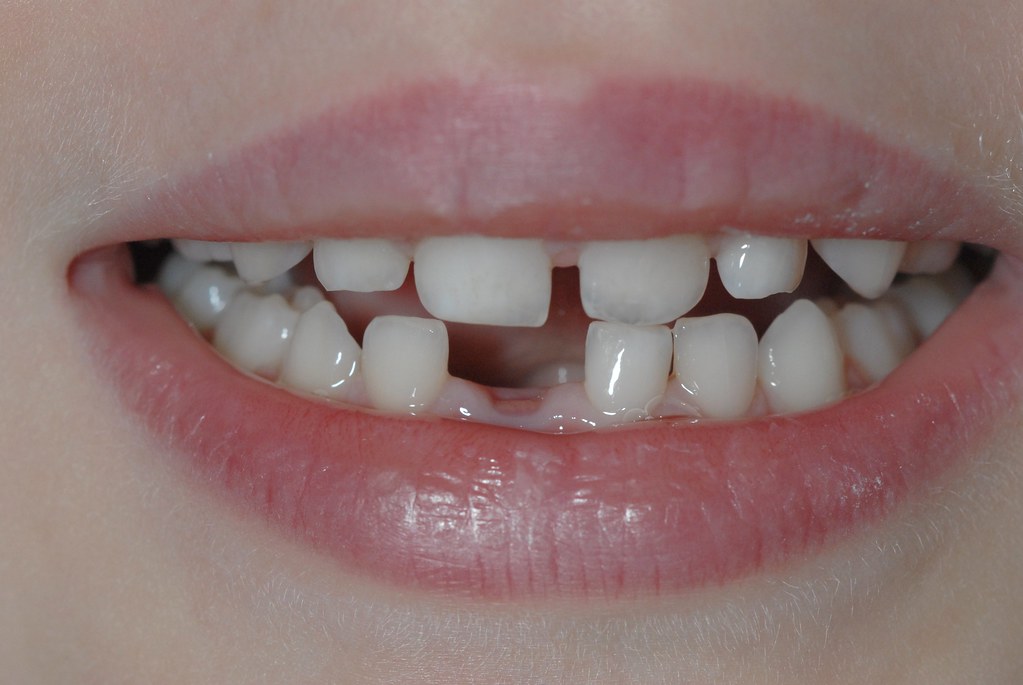
Missing tooth.

Extreme closeup.
Lazy Morning
December 14, 2008
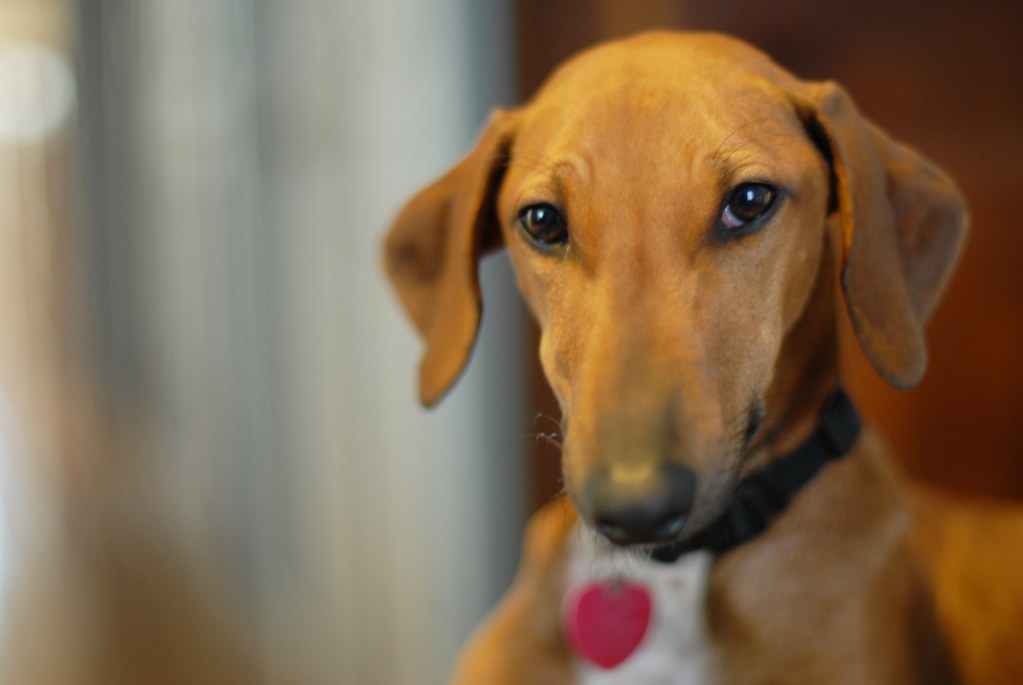
Good Morning, Tawzalt
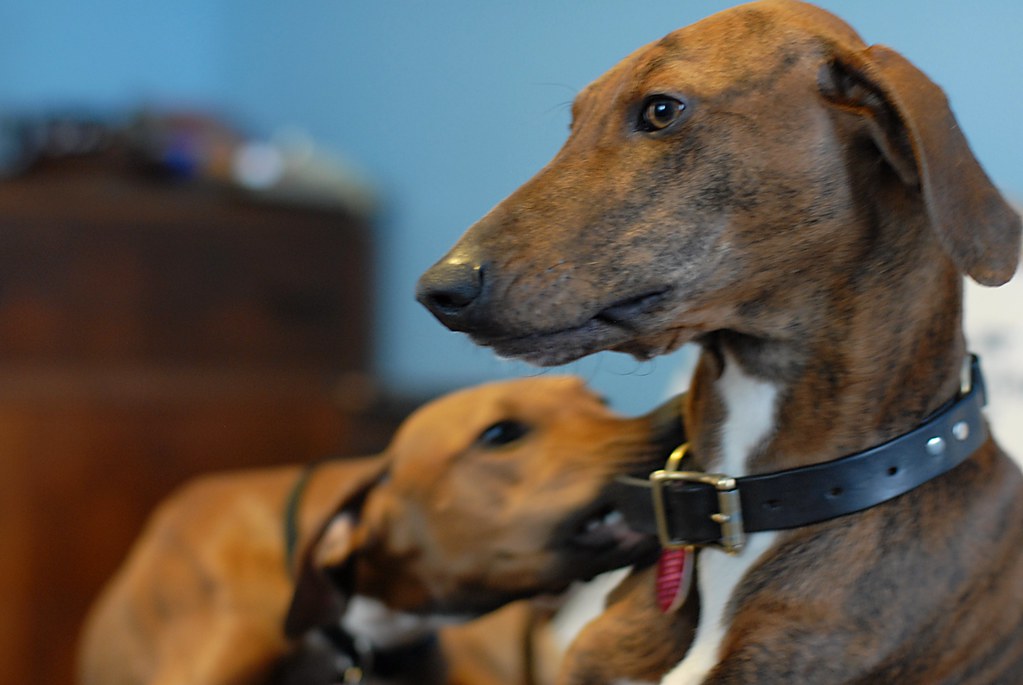
Gnaw on Azelouan

Nuzzle Azelouan
Orwelian Propaganda
December 14, 2008
I heard this on the NPR news quiz, “Wait, Wait, Don’t Tell Me” bluff the listener game. I thought it was a joke, but it’s real: “Frosty the Coal Man”!
There is a coal industry lobby group that is attempting to “green wash” coal via new lyrics to the classic and beloved Frosty the Snowman song.
Disturbing stuff. It turns out that the American Coalition for Clean Coal Electricity received so many complaints about their desecration of Frosty, that they pulled the anthracite carolers from their website but not before they were immortalized on YouTube.
This is America, Jack. How dare you defile my childhood animated winter TV special?
Great Service
December 12, 2008
I just had a great service experience from Erin Campbell at Hound Togs. It’s getting cold here and I needed a coat for Tawzalt. She is still only 7 months, so I wanted to get a coat that is sized just big enough that she can grow into it but without being enormous.
I used the tools on the Hound Togs website to describe Tawzalt so that they could size the coat for her. Shortly thereafter I got both a call and email from Erin. She had decided that none of the prêt-à-porter sizes were quite right. She offered to customize a large whippet coat to fit Tawzalt at no additional charge.
This was above and beyond service. It was great dealing with her. The coat arrived today and it fits a bit loose with some room to grow, just like I asked.
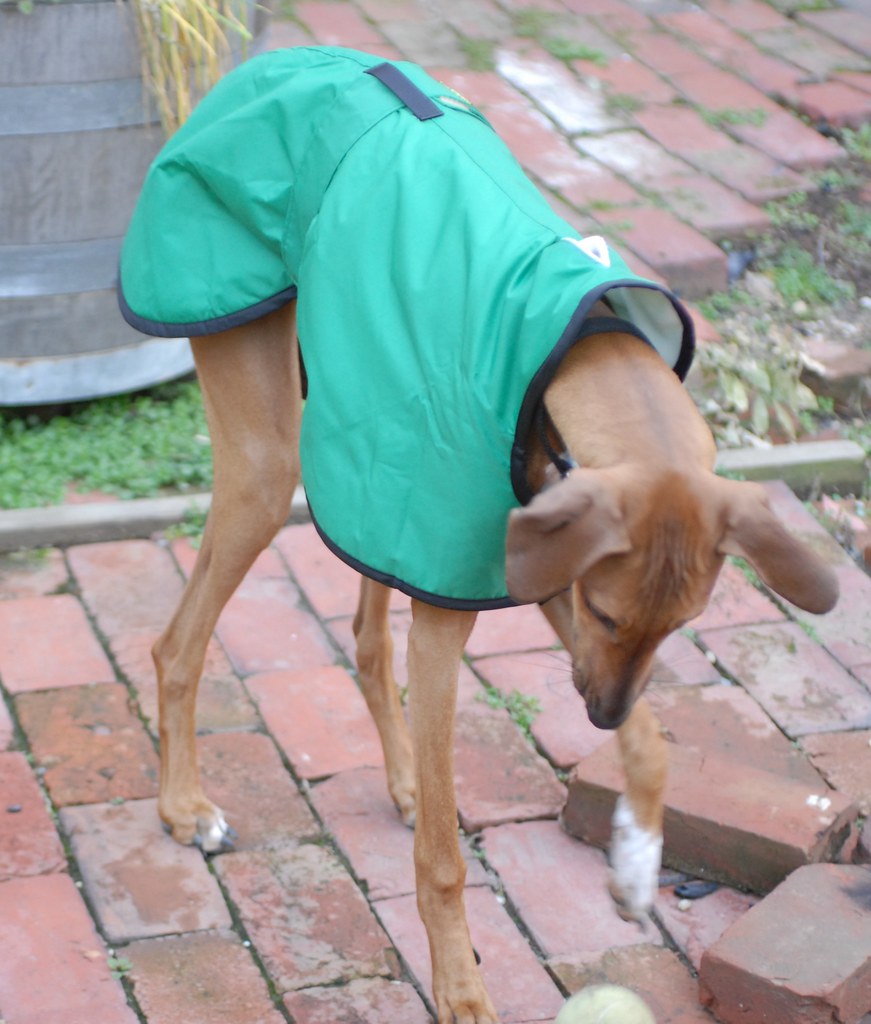
Tawzalt playing in her new coat.
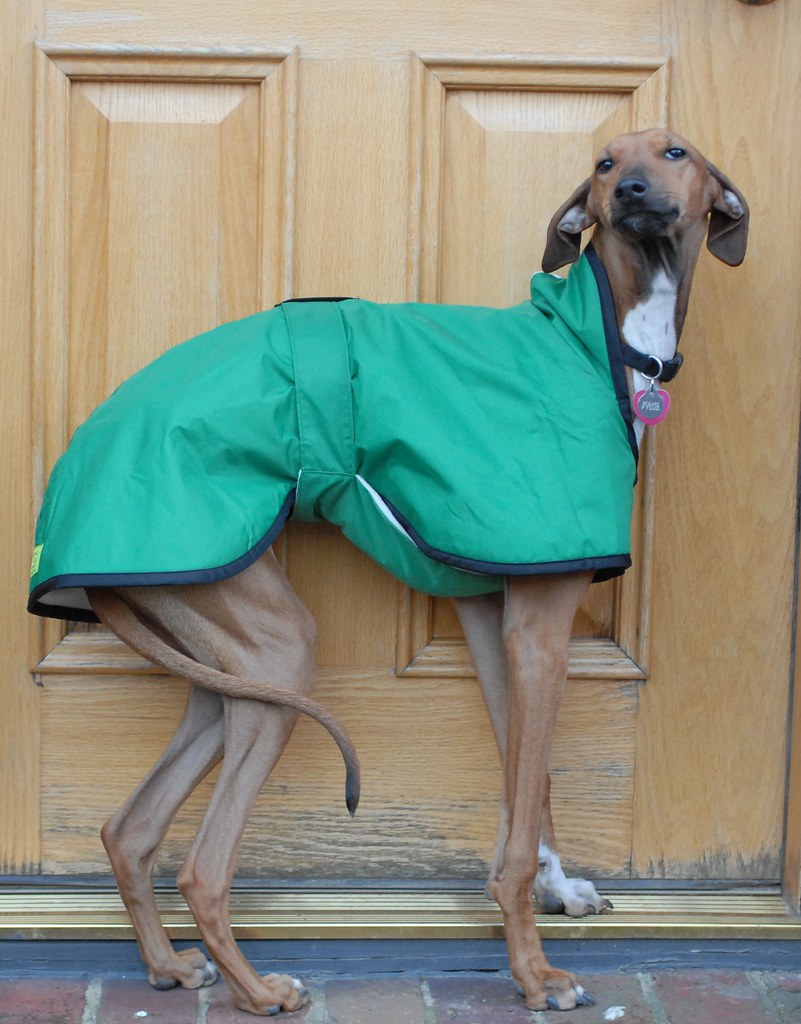
It's still cold out here, stupid.


 Aidi wan n'Eezel: the loyal azawakh